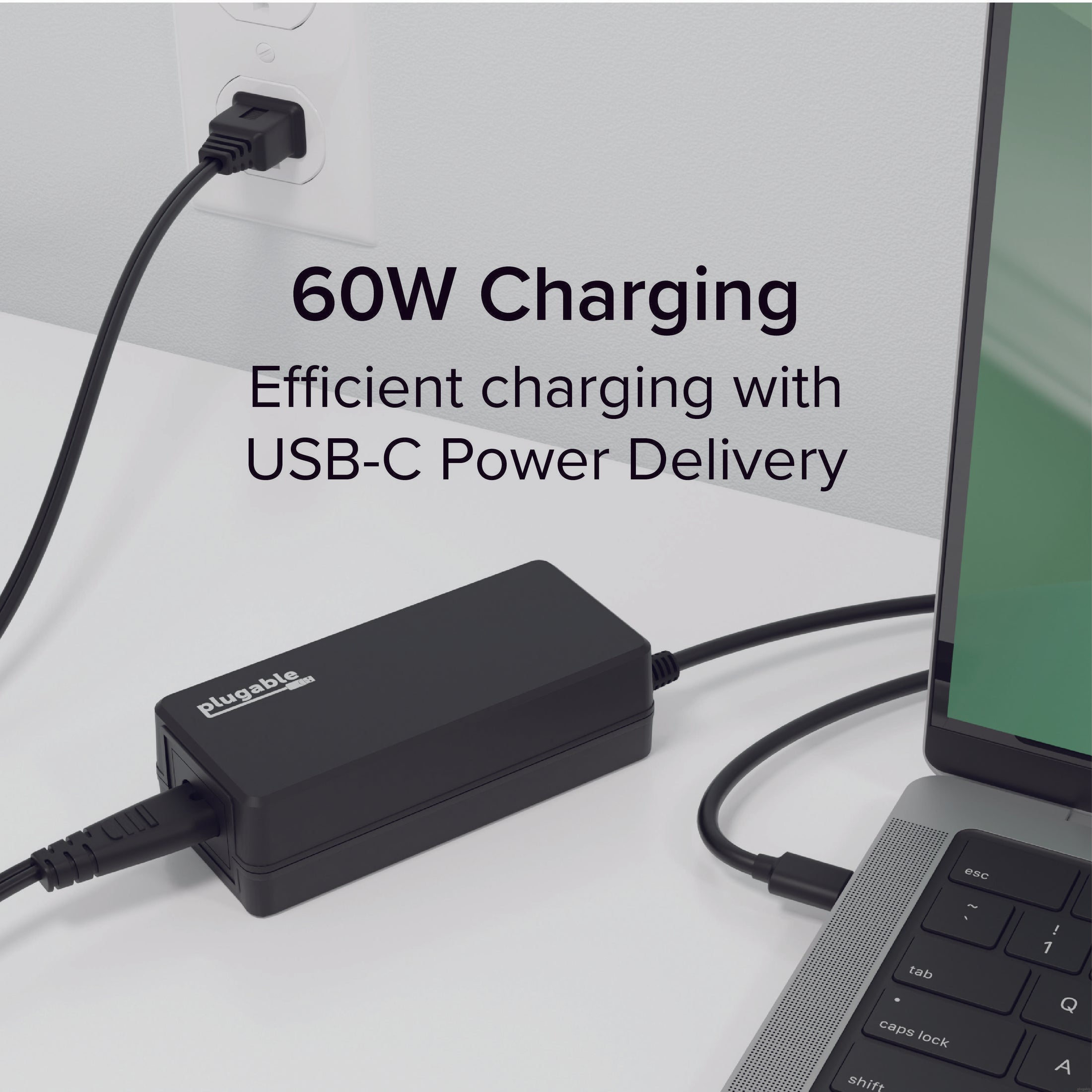
Understanding Power Delivery: The Future of Fast Charging
As technology continues to evolve, Power Delivery (PD) is emerging as the gold standard for fast charging. Unlike traditional charging methods, which depend heavily on fixed voltages and currents, Power Delivery utilizes a dynamic approach, adjusting power levels between devices. This means that whether you're charging a smartphone, tablet, or laptop, PD can supply the necessary wattage efficiently. The enhanced speed of charging capabilities not only improves user experience but also paves the way for devices to charge in a fraction of the time compared to older technologies.
One of the key drivers of the future of fast charging is the growing demand for portable devices with high-performance capabilities. As consumers lean towards using smartphones and laptops for more intensive tasks, the need for rapid charging solutions becomes critical. Power Delivery enables a wide range of devices to communicate the appropriate charging requirements, ensuring they receive the optimal amount of power without compromising safety. With advancements in charging infrastructure and widespread adoption of PD technology, the future looks bright for users seeking quick and reliable charging solutions.
Counter-Strike is a highly popular tactical first-person shooter game that has captivated gamers since its inception. Players form teams of terrorists and counter-terrorists to complete objectives or eliminate the opposing team. The game is known for its competitive nature and has a robust esports scene, making it a staple in competitive gaming culture. In addition to gaming, you might be interested in the Top 10 fast chargers for iPhone to enhance your gaming experience on mobile as well.
Is Power Delivery the Key to Efficient Charging Solutions?
In today's fast-paced world, where our devices constantly demand power, Power Delivery (PD) has emerged as a crucial technology for achieving efficient charging solutions. Unlike traditional charging methods, which often rely on fixed voltage and current outputs, Power Delivery utilizes intelligent communication between the charger and the device. This allows for dynamic adjustments of power levels, ensuring that devices receive the optimal amount of energy they need to charge quickly and safely.
Furthermore, Power Delivery can significantly reduce charging times for various devices, from smartphones to laptops. By supporting higher power levels—up to 100 watts—Power Delivery enables fast charging capabilities that cater to a broad range of products. As a result, it not only enhances user convenience but also contributes to a more effective and sustainable energy consumption model. Embracing Power Delivery technology is therefore essential for anyone looking to optimize their charging solutions in a tech-savvy world.
Top Benefits of Adopting Power Delivery Technology in Your Devices
In today's fast-paced digital world, Power Delivery Technology offers significant advantages that can enhance the functionality of your devices. First and foremost, it allows for quicker charging times, with devices able to draw more power from compatible chargers. This advantage means that users can reach a full battery charge in a fraction of the time it traditionally takes with standard charging methods. For example, many smartphones and laptops equipped with Power Delivery Technology can charge to 50% in just 30 minutes, enabling you to stay connected without long interruptions.
Another key benefit of adopting Power Delivery Technology is its versatility. This technology is not limited to specific devices; rather, it can adapt to various power requirements across different devices seamlessly. Whether you are charging a smartphone, tablet, or laptop, Power Delivery Technology ensures that the appropriate power level is supplied. Furthermore, it reduces the clutter of multiple chargers by allowing a single USB-C charger to serve as a universal charging solution, making it not only convenient but also cost-effective for consumers.