How Technology Is Transforming the Creative Landscape
The rapid advancement of technology has significantly transformed the creative landscape, offering artists and creators unprecedented tools and platforms to express their ideas. From digital art-making software to AI-driven design tools, the possibilities are virtually endless. For instance, graphic designers can now utilize machine learning algorithms that assist in generating layouts and enhancing images, allowing them to focus more on their creative vision rather than getting bogged down by technical details. Additionally, platforms like Behance and Dribbble have made it easier than ever for creatives to showcase their work, connect with others, and gain valuable feedback from a global audience.
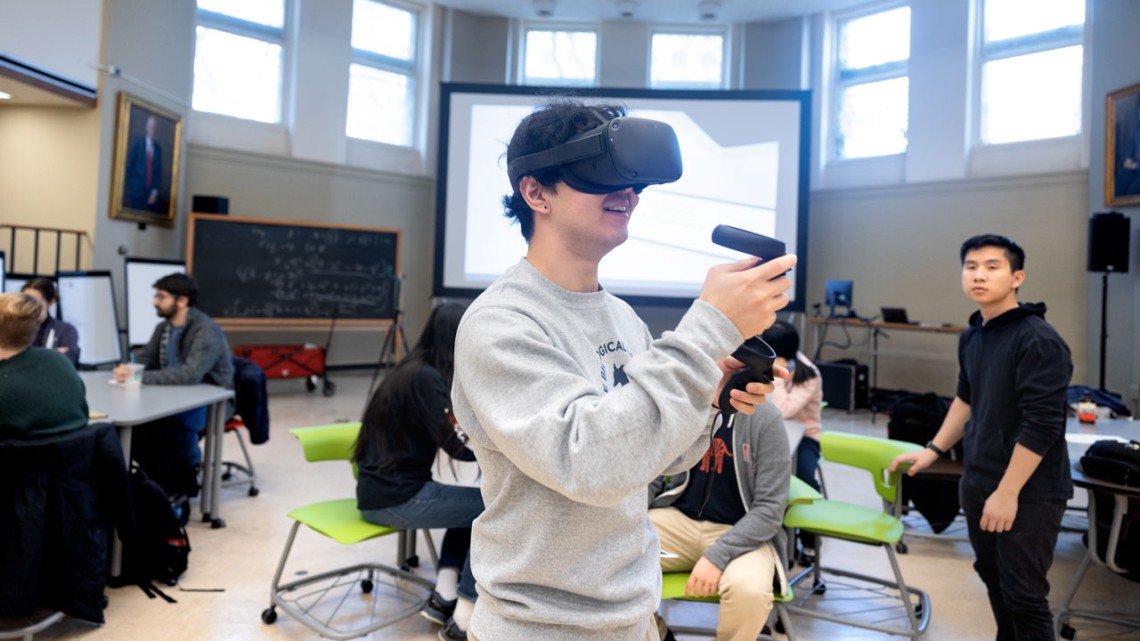
Moreover, the integration of technology into creative sectors has led to the emergence of new forms of art, such as interactive installations and virtual reality experiences, which challenge traditional notions of creativity. Artists and creators are now experimenting with augmented reality and immersive media to engage audiences in innovative ways. These advancements not only enhance artistic expression but also democratize the creative process, enabling individuals from various backgrounds to share their stories and viewpoints. As technology continues to evolve, it will undoubtedly play a pivotal role in shaping the future of creativity, pushing the boundaries of what is possible.
Counter-Strike is a tactical first-person shooter game that has been a staple in the gaming community since its initial release. Players can choose to play as either terrorists or counter-terrorists, engaging in various game modes and maps. For those looking for some exciting gear, check out the Top 10 Tech Gifts Under 100 to enhance your gaming experience.
The Role of Artificial Intelligence in Creative Processes
The integration of Artificial Intelligence in creative processes has revolutionized the way artists, writers, and musicians approach their craft. AI tools serve as collaborators rather than replacements, providing unique insights and augmenting human creativity. For instance, AI algorithms can analyze vast amounts of data to identify trends in visual or auditory aesthetics, allowing creators to blend traditional techniques with innovative methodologies. This symbiosis not only enhances the final outputs but also drives the creative process forward by inspiring new ideas and experimentation.
Moreover, the role of Artificial Intelligence extends beyond mere assistance; it also fosters inclusivity in creative fields. By reducing barriers related to skill and resource availability, AI opens doors for aspiring artists who may not have had access to traditional creative education. For example, AI-generated art platforms enable users to create visually compelling works without the need for extensive training. As a result, the democratization of creativity leads to a richer and more diverse artistic landscape, challenging conventional notions of art and creativity.
Can Tech Tools Enhance Your Imagination?
The relationship between technology and imagination has evolved significantly in recent years. Tech tools such as virtual reality, artificial intelligence, and powerful creative software are transforming the way we think and create. For instance, many artists now utilize digital painting software to craft stunning artworks that were once only possible on canvas. Additionally, platforms like Canva allow users to explore their graphic design abilities with an array of templates and resources. These tools not only democratize creativity but also push the boundaries of what we perceive as imaginative expression.
However, relying solely on tech tools can sometimes limit our inherent creativity. It's crucial to find a balance between digital resources and traditional methods of imagination. Here are a few ways tech can enhance rather than hinder creativity:
- Brainstorming Apps: Tools like MindMeister help in visually organizing thoughts and ideas.
- Collaboration Platforms: Software like Slack enables creative collaboration with others, expanding your imagination through diverse perspectives.
- Creative Writing Tools: Applications like Grammarly not only assist in writing but also offer insights that can spark new ideas.