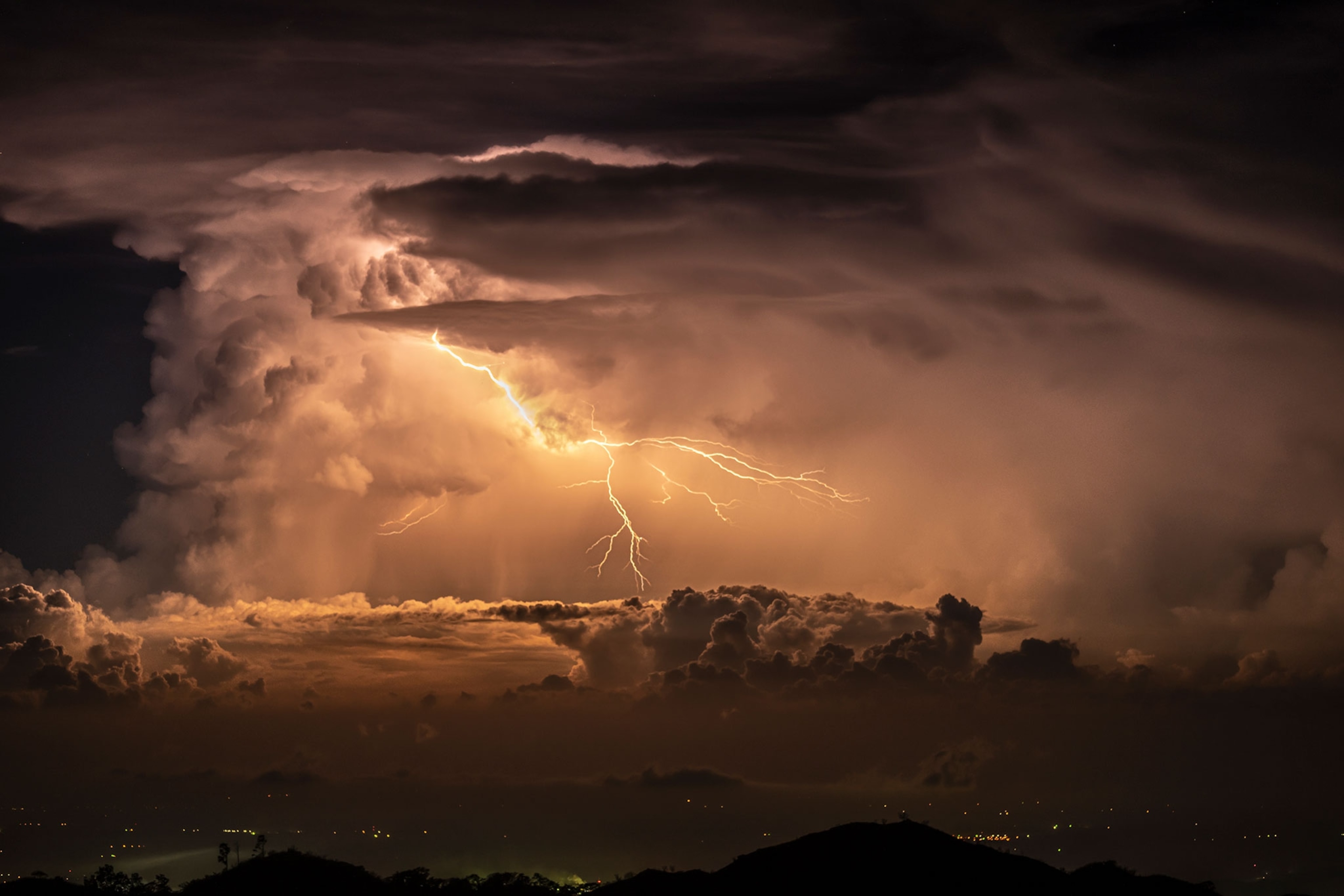
The Science Behind Lightning: How it Connects Different Elements of Nature
Lightning is a powerful natural phenomenon that serves as a bridge connecting various elements of nature. It occurs during thunderstorms and is caused by the buildup and discharge of electrical energy within clouds. The science behind lightning reveals that it primarily involves the interaction between positively and negatively charged particles in the atmosphere. As these charges accumulate, the electric field intensifies until it overcomes the resistance of the air, resulting in a dramatic discharge that we observe as a lightning bolt. This natural display not only provides illumination but also connects the earth and sky, showcasing the intricate balance of forces at play in our environment.
Moreover, the connection between lightning and the Earth's ecosystems is profound. When lightning strikes, it can ignite wildfires, which may seem destructive but ultimately play a critical role in maintaining healthy forest ecosystems. These fires can promote the growth of new plants and help manage underbrush, thus preventing larger, more catastrophic blazes. Additionally, lightning contributes to the nitrogen cycle by producing nitrogen oxides, compounds that are essential for plant growth. In this way, the science behind lightning illustrates how this powerful force links different aspects of our natural world, fostering a dynamic relationship between disruption and regeneration.
Counter-Strike is a popular tactical first-person shooter game that has captivated gamers since its initial release. Players can join teams of terrorists or counter-terrorists in various game modes focused on strategy and teamwork. For those looking for reliable gaming accessories, check out the Top 10 iphone charging cables to ensure your devices are always powered up during intense gaming sessions.
Thunder and Flora: Understanding the Relationship between Lightning Strikes and Plant Life
Lightning strikes, a natural phenomenon often associated with storms, play a crucial role in the health of our ecosystems. When lightning hits the ground, it generates heat and energy that can create essential nutrients like nitrogen, which is vital for plant growth. Thunder and flora have a unique relationship, as the intense energy from lightning stimulates soil microbial activity and helps in the conversion of atmospheric nitrogen into a form that plants can easily absorb. This process increases the availability of nitrogen, which supports the overall growth and vitality of plant life.
Moreover, lightning associated with thunderstorms can also help to shape landscapes and promote biodiversity. In certain ecosystems, lightning can cause wildfires, which, while destructive, also lead to new growth. After a fire, nutrient-rich ash enriches the soil, allowing many plant species to flourish. Therefore, understanding the dynamics of lightning strikes and plant life is essential for appreciating the complexities of our natural world and the interconnectedness of various species within their habitats.
Can Lightning Influence Climate Patterns? Exploring Nature's Intricate Web
Throughout the ages, lightning has fascinated humanity with its stunning visual displays and powerful energy. However, its influence on climate patterns is a subject of ongoing research. Lightning is known to play a crucial role in the nitrogen cycle, as it helps convert atmospheric nitrogen into forms that plants can readily absorb. This process not only promotes vegetation growth but also affects local and global climate patterns by influencing the distribution of ecosystems and altering carbon dioxide levels. In fact, some studies suggest that increased lightning activity may correlate with specific climate changes, raising questions about the interconnectedness of natural phenomena.
Moreover, the relationship between lightning and climate can be viewed through the lens of climate change. As global temperatures rise, storm patterns may shift, potentially leading to an increase in the frequency and intensity of thunderstorms, which in turn could result in more lightning strikes. This intricate web of interactions highlights the significance of studying lightning not just as a meteorological event, but also as an integral component of our planet's climate system. Future research will help clarify how these dynamics unfold and aid in predicting changes in our environment as we navigate the challenges of a warming world.