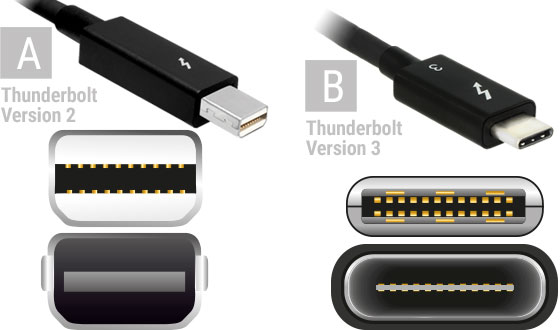
What is Thunderbolt and How Does It Enhance Modern Connectivity?
Thunderbolt is a cutting-edge connectivity technology that combines data, video, and power delivery into a single interface. Initially developed by Intel and Apple, this versatile standard has greatly enhanced modern connectivity in various devices, including laptops, monitors, and external storage solutions. With its impressive bandwidth of up to 40 Gbps, Thunderbolt allows for rapid file transfers and supports multiple 4K displays, making it an ideal choice for creative professionals and gamers alike.
Beyond its speed, Thunderbolt also simplifies connections through daisy chaining, allowing multiple devices to be connected through a single port. This not only reduces cable clutter but also improves overall performance by ensuring efficient data transfer rates across all connected devices. In today's fast-paced digital environment, understanding how Thunderbolt enhances modern connectivity is essential for leveraging its full potential in both personal and professional settings.
Counter-Strike is a popular first-person shooter game that emphasizes teamwork and strategic gameplay. Players can choose to be either terrorists or counter-terrorists while engaging in various objective-based missions. For gamers looking to enhance their gaming experience, consider checking out the Top 10 external monitors for mac to find the best display for your setup.
Top 5 Benefits of Using Thunderbolt for Your Devices
When it comes to connectivity options for your devices, Thunderbolt stands out as a powerful choice. Here are the top 5 benefits of using Thunderbolt:
- High Speed: Thunderbolt technology enables data transfer speeds of up to 40 Gbps, allowing you to move large files and data-intensive applications seamlessly.
- Daisy Chaining: With Thunderbolt, you can connect multiple devices through a single port. This daisy chaining capability keeps your setup organized and reduces cable clutter.
- Versatility: Thunderbolt supports a variety of protocols, including DisplayPort and PCI Express, making it compatible with a range of devices from monitors to external GPUs.
- Power Delivery: Thunderbolt can deliver power up to 100W, meaning you can charge your devices while transferring data, enhancing convenience.
- Future-Proofing: As technology evolves, Thunderbolt continues to adapt, ensuring you can keep your devices updated without worrying about outdated ports.
Incorporating Thunderbolt into your tech setup not only enhances performance but also prepares you for future advancements. With benefits ranging from high-speed connectivity to versatile applications, it is clear why Thunderbolt has become the standard for modern devices. Embrace these advantages today and maximize your device's potential!
Thunderbolt vs. USB: Which Connectivity Standard Is Right for You?
When it comes to choosing between Thunderbolt and USB, understanding the key differences in their features is crucial. Thunderbolt, developed by Intel and Apple, provides exceptional data transfer speeds of up to 40 Gbps with Thunderbolt 3 and 4, making it an ideal choice for professionals who need to handle high-resolution video or large data files efficiently. In contrast, USB, particularly the latest USB 3.2 and USB4 standards, offers respectable transfer speeds up to 20 Gbps but typically falls short of Thunderbolt's capabilities. Thus, if speed and performance are your primary concerns, Thunderbolt might be the superior choice for your connectivity needs.
However, the choice between Thunderbolt and USB isn’t solely about speed. Consider your specific use cases and devices. USB is universally compatible, found in virtually all devices, from keyboards to smartphones, and typically costs less. Thunderbolt, while offering advanced features such as daisy-chaining multiple devices and delivering power through a single cable, is primarily found in higher-end peripherals and computers. If you require a balance of versatility and budget, USB may better suit your requirements, whereas professionals or tech enthusiasts seeking cutting-edge performance might lean more towards Thunderbolt.