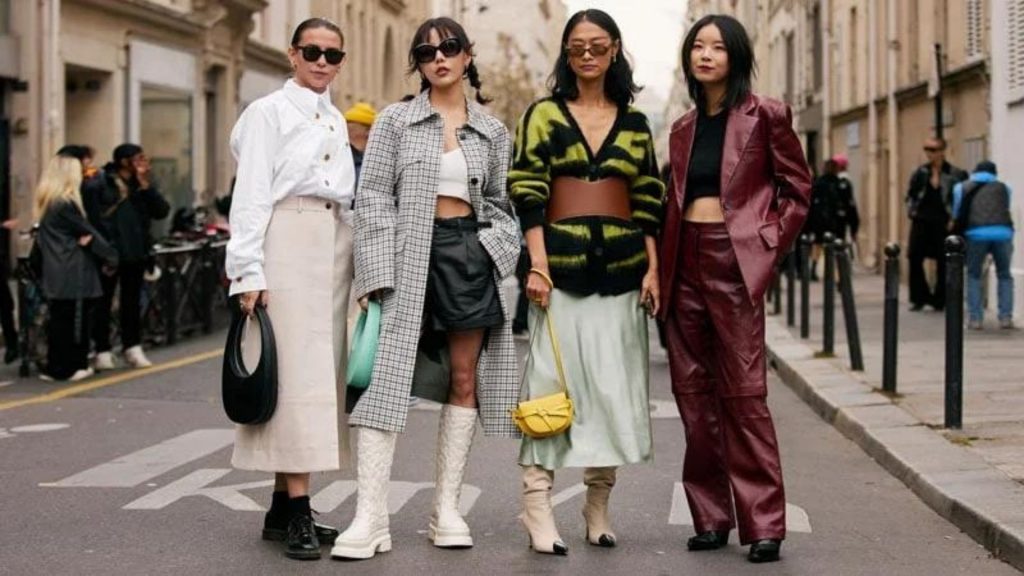
The Psychology of Fashion: How Your Outfit Influences Perception
The psychology of fashion reveals that the way we dress can significantly influence the perception others have of us. Our outfits serve as a form of non-verbal communication, conveying messages about our personality, social status, and even our mood. For example, wearing a tailored suit may project confidence and professionalism, while casual attire can suggest a more relaxed and approachable demeanor. Research suggests that people often make snap judgments based on appearance, which is why understanding the psychology of fashion is vital for enhancing one’s personal and professional image.
Moreover, the impact of fashion on perception extends beyond first impressions. Studies indicate that clothing can affect not only how others perceive us but also how we perceive ourselves. The concept of 'enclothed cognition' explains that the clothes we wear can influence our mental processes. For instance, wearing workout gear may enhance motivation for physical activity, while donning a creative outfit could spark innovative thinking. Thus, choosing the right outfit is not just a matter of style; it's a strategic decision that can shape both our identity and our interactions with the world around us.
Counter-Strike is a popular first-person shooter game that pits teams of terrorists against counter-terrorists in various game modes. The game has seen multiple versions and updates since its initial release in 1999, continuously evolving with new maps, weapons, and gameplay mechanics. For players who enjoy mobile gaming, it's important to protect their devices; check out the Top 10 iPhone 17 cases for some great options.
Dress for Success: Tips on Aligning Your Style with Your Mood
Your wardrobe is more than just a collection of clothes; it's a powerful tool that can influence your mood and perceptions. **Dressing for success** means aligning your style with your mood, creating an outward expression of how you feel on the inside. Start by evaluating your mood each day and selecting outfits that reflect or enhance those feelings. For example, if you need a confidence boost, opt for bold colors or structured silhouettes that convey strength. Conversely, if you're aiming for a relaxed day, choose soft fabrics and lighter hues that resonate with a more laid-back vibe.
To help you achieve this alignment, here are some practical tips:
- Know Your Colors: Certain colors can uplift your mood or evoke specific feelings. Consider integrating shades like yellow for positivity or blue for calmness into your wardrobe.
- Accessorize Wisely: Accessories can make or break an outfit. Choose pieces that not only complement your style but also reflect your emotional state—whether it's a vibrant scarf for joy or a minimalist watch for focus.
- Dress for the Occasion: Tailoring your outfit to fit the setting can significantly impact your emotional experience. Dressing up for a meeting can instill a sense of professionalism, while casual wear can promote creativity in a relaxed environment.
What Does Your Wardrobe Say About You? Understanding Fashion Communication
Your wardrobe is more than just a collection of clothes; it's a powerful form of fashion communication that conveys your personality, values, and even your mood. The choices you make in selecting outfits can reflect various aspects of your identity, such as your profession, cultural background, and personal tastes. For instance, someone who leans towards vibrant colors and bold patterns may be perceived as outgoing and creative, while a person who opts for a minimalist style is often seen as sophisticated and organized.
Understanding how your wardrobe communicates can help you make more intentional choices. Consider the psychology of colors: red often signifies passion, blue evokes calmness, and black can symbolize elegance or authority. Additionally, the way you accessorize can enhance or alter the message you're sending. For example, pairing casual jeans with stylish heels can transition a look from laid-back to chic, showcasing your versatility. Ultimately, your wardrobe speaks volumes about who you are and how you wish to be perceived in the world.