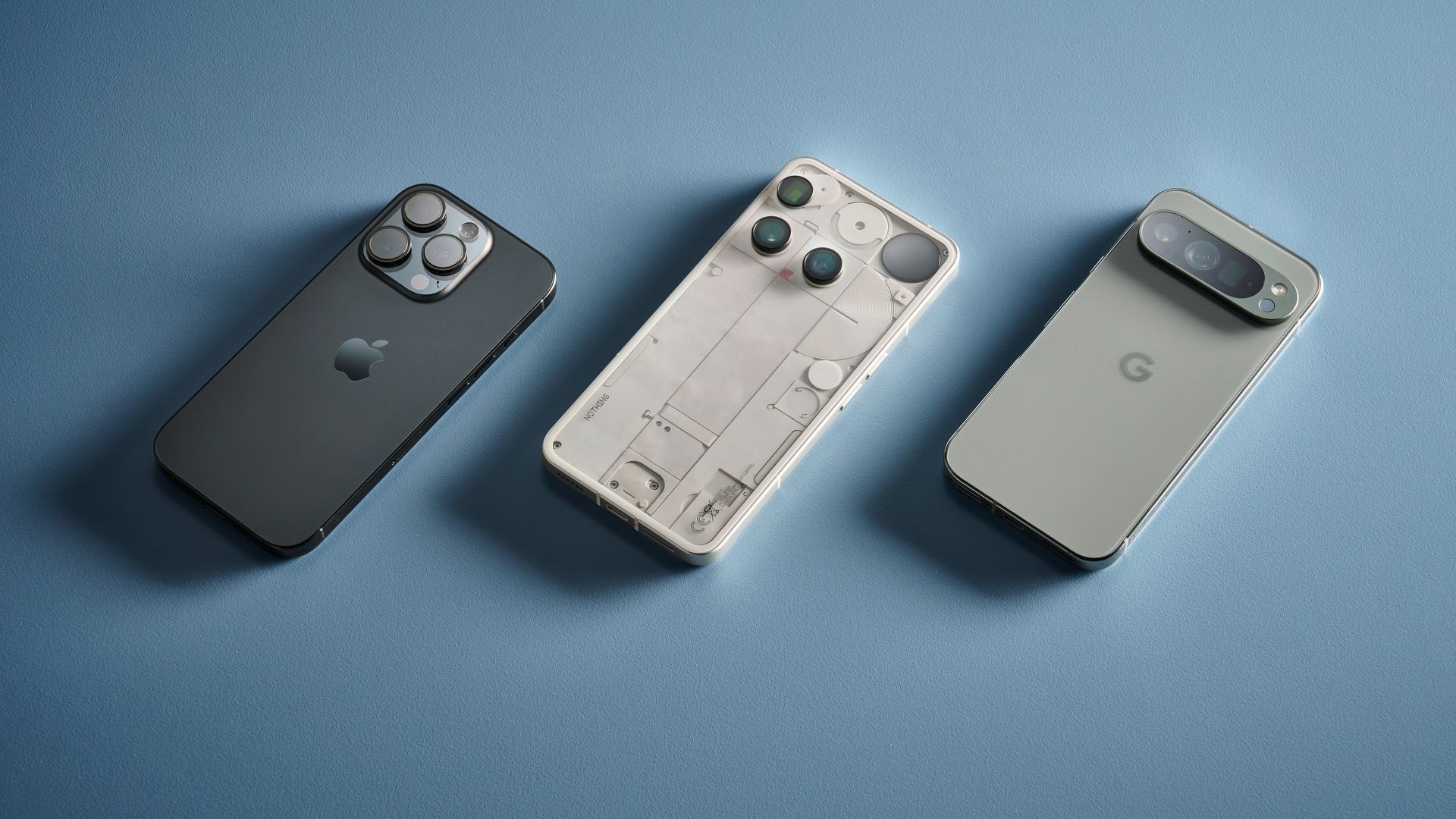
10 Amazing Features of Smartphones That Will Change Your Daily Life
In today's fast-paced world, smartphones have evolved into indispensable tools that enhance our daily lives. With features designed to improve efficiency and connectivity, these devices are more than just communication tools. One of the standout features is the powerful camera system that allows users to capture high-quality photos and videos on the go. Imagine being able to document special moments with friends and family, share your adventures on social media, and even create professional-quality content, all from a device that fits in your pocket.
Another game-changing feature is the ability to access a wealth of information and services through mobile applications. From banking and grocery shopping to online learning and fitness tracking, these apps have transformed the way we interact with the world. For instance, you can easily schedule appointments, manage your finances, and even control smart home devices right from your smartphone. As we continue to rely on our devices for various tasks, these innovative features are redefining convenience and efficiency in our day-to-day lives.
Counter-Strike is a popular tactical first-person shooter that has captivated millions of gamers worldwide. Players can choose to be part of either the terrorist or counter-terrorist team, engaging in thrilling matches that require teamwork, strategy, and quick reflexes. If you're looking to enhance your gaming experience, check out the Top 10 One Hand Grips for iPhone for improved control and comfort while playing. With its competitive gameplay and regular updates, Counter-Strike continues to be a staple in the esports community.
How Smartphones Transform the Way We Connect and Communicate
The advent of smartphones has dramatically changed the landscape of human connection and communication. With the ability to send instant messages, share photos, and engage in video calls, smartphones have effectively bridged geographical gaps and allowed us to interact with loved ones and colleagues around the world. As a result, the traditional means of communication—such as letters and landline calls—are becoming increasingly obsolete. In fact, according to a recent study, over 90% of people now use their smartphones as their primary device for communication.
Furthermore, the rise of social media platforms has revolutionized the way we share our lives with others. No longer limited by the constraints of distance or time, individuals can communicate their thoughts and experiences at the touch of a button. Networking and forming new relationships have also become easier, with apps catering to various interests and professions. However, this shift to digital communication has raised questions about the quality of our connections. As the adage goes, “Out of sight, out of mind,” prompting us to consider the implications of virtual interactions on our real-world relationships.
Are Smartphones Making Us Smarter or More Distracted?
The advent of smartphones has sparked a debate on whether these devices are making us smarter or simply contributing to our growing distraction. On one hand, smartphones provide instant access to a wealth of information, educational resources, and productivity tools. Apps for learning languages, meditation, and organization can enhance our cognitive abilities and time management skills. Furthermore, access to online courses and forums allows individuals to enrich their knowledge base and connect with the global community, promoting a culture of continuous learning.
Conversely, many argue that smartphones lead to increased distractions and cognitive overload. With constant notifications from social media, email, and messaging platforms, it becomes challenging to focus on tasks. A study from Harvard University found that even the presence of a smartphone can reduce cognitive capacity, leading to diminished performance in tasks requiring attention. This raises the question: are we compromising our ability to think deeply and critically in exchange for convenience? As we navigate this technology-driven landscape, it is essential to strike a balance between utilizing smartphones for learning and maintaining the capacity for sustained concentration.