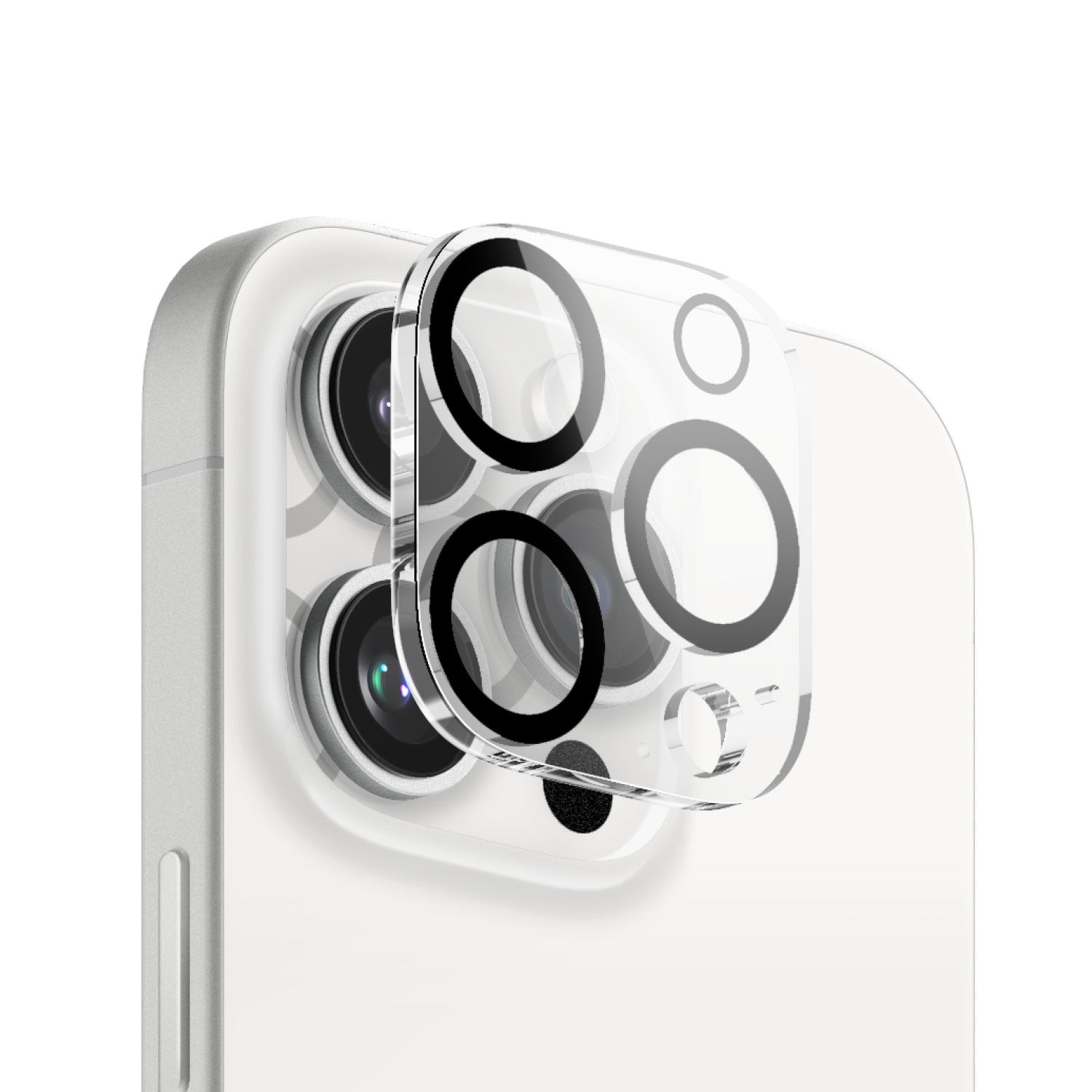
The Essential Guide to Camera Lens Protectors: Do They Really Make a Difference?
When it comes to protecting your valuable camera equipment, camera lens protectors are often a topic of heated debate among photographers. These clear filters are designed to shield your lens from dust, scratches, and unexpected impacts. While many enthusiasts swear by their effectiveness, others argue that they can degrade image quality. To understand whether camera lens protectors are worth the investment, we need to consider the pros and cons. On one hand, they provide an additional layer of security, which can be crucial during outdoor shoots. On the other hand, some lenses are engineered to minimize flare and distortion, and the introduction of a filter might compromise those benefits.
In evaluating whether camera lens protectors really make a difference, it’s important to recognize their limitations. First, the quality of the filter matters greatly; a high-quality protector can enhance protection without compromising image clarity, whereas a cheap option might introduce unwanted artifacts. Additionally, proper handling and care can often prevent lens damage without the need for a filter at all. According to industry experts, a good rule of thumb is to use a lens protector primarily in challenging environments, such as at the beach or in the wilderness, where sand and moisture pose a significant risk to your gear.
Counter-Strike is a highly popular tactical first-person shooter game series that has captivated millions of players worldwide since its initial release. Players engage in team-based gameplay, where they can choose to play as terrorists or counter-terrorists, with the main objective to complete specific missions such as bomb defusal or hostage rescue. If you're looking to enhance your gaming setup, check out the Top 10 iPhone 17 Pro Max accessories for the perfect gear to elevate your experience.
5 Reasons Why Every Photographer Needs a Lens Protector
As a photographer, your lens is one of your most crucial assets. Without proper protection, it can be exposed to scratches, dust, and moisture that may compromise the quality of your images. Here are five reasons why every photographer should invest in a lens protector:
- Protection Against Scratches: A lens protector acts as a shield against scratches that can occur during regular use or transportation.
- Dust and Moisture Defense: These protectors help block dust and moisture from reaching the lens glass, ensuring that your photography isn’t interrupted by cleaning.
- Resale Value: A well-maintained lens retains its value better. Using a protector can keep your lens looking new for future resale.
- Easy to Replace: If your lens protector gets scratched or damaged, it’s much easier and cheaper to replace than the entire lens.
- Improved Image Quality: While some may argue that a protector can impact image quality, high-quality protectors are designed to be ultra-clear, ensuring they don’t hinder your shots.
How to Choose the Right Lens Protector for Your Camera Gear
When it comes to safeguarding your camera gear, choosing the right lens protector is crucial for preserving image quality and ensuring durability. There are various types of lens protectors available, including UV filters, clear filters, and polarizers. Each type serves a different purpose, so understanding your specific needs is essential. For instance, a UV filter can help reduce haze and improve clarity, while a polarizer can enhance colors and reduce reflections. To make an informed choice, consider factors such as your photography style, the shooting environment, and your budget.
Additionally, lens protectors come in different materials, primarily glass and optical resin. Glass protectors are typically more durable and scratch-resistant, whereas resin options may be lighter and more affordable. It’s also wise to check the size compatibility with your lens; a poorly fitted protector can lead to vignetting or other optical issues. To help you make the best decision, here are some tips:
- Research user reviews to gauge real-world performance.
- Consult with photography professionals for recommendations.
- Evaluate your shooting conditions and choose a protector that complements them.