The Psychology of Light: How Different Lighting Affects Your Mood
The psychology of light plays a significant role in influencing our emotions and overall mental well-being. Research has shown that different types of lighting can evoke various feelings and responses. For instance, natural light is often associated with feelings of happiness and vitality. Exposure to daylight assists in regulating our circadian rhythms, which can enhance our mood, improve sleep quality, and boost overall productivity. On the other hand, harsh artificial lighting, such as fluorescent lights, can lead to feelings of fatigue and irritability, contributing to a less positive atmosphere.
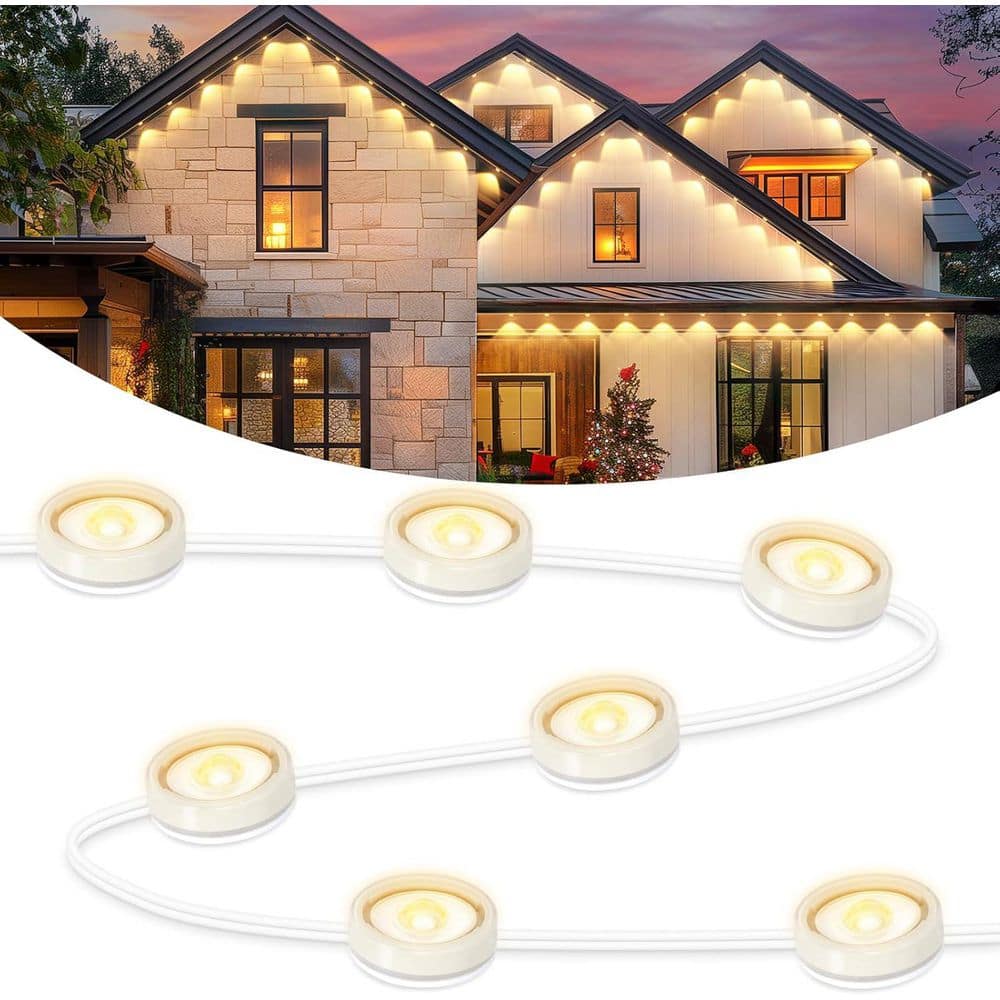
Moreover, the color temperature of light plays a crucial role in our emotional state. For example, warm lighting (around 2700K) is often used in homes and restaurants to create a comforting and cozy environment, while cooler lighting (around 5000K) is commonly found in offices to enhance alertness and focus. Studies have shown that the right lighting can enhance creativity and improve concentration, making it a vital element in workspaces. To harness the psychology of light effectively, consider your lighting choices carefully to foster the mood you wish to achieve, whether it be calmness, energy, or productivity.
Counter-Strike is a popular team-based first-person shooter that has gained a massive following since its release. Players engage in tactical gameplay, often requiring strategic coordination and precise aiming to outsmart their opponents. Alongside the thrilling competitive nature of the game, many players also look for ways to enhance their content creation. If you're interested, check out the Top 10 mobile content creation gear to improve your streaming and video-making setups.
10 Surprising Ways Lighting Can Transform Your Living Space
When it comes to enhancing your home, lighting is often an overlooked element that can significantly change the ambiance of your living space. Here are 10 surprising ways that strategic lighting choices can create a whole new atmosphere:
- Layered Lighting: Combining ambient, task, and accent lighting can add depth and interest to any room.
- Color Temperature: Warmer lights create a cozy feel, while cooler tones can promote productivity and focus.
- Dimmer Switches: Installing dimmers allows for control over brightness, ideal for transitioning from work to relaxation.
Beyond aesthetics, lighting plays a functional role in defining spaces. For instance, using track lighting in open layouts can delineate activity zones without physical barriers. Additionally, statement fixtures not only illuminate but also act as a focal point, turning heads in your living space. Don't underestimate the potential of natural light—mirrors strategically placed to reflect sunlight can make a smaller room appear larger and more inviting.
LED vs. Incandescent: Which Lighting Choice is Right for You?
When it comes to choosing the right lighting for your home or office, the debate between LED and incandescent bulbs is crucial. LED lights are known for their energy efficiency, lasting up to 25 times longer than traditional incandescent bulbs. This longevity not only saves you money in the long run but also reduces the frequency of replacements. Furthermore, LED bulbs emit very little heat, making them a safer option, especially in enclosed fixtures.
On the other hand, incandescent lights provide a warm, inviting glow that many still prefer for aesthetic reasons. They have a lower upfront cost compared to LED options but are far less energy-efficient and can significantly increase your electricity bill over time. When deciding between the two, consider factors such as energy efficiency, initial cost, and light quality. Ultimately, your choice will depend on your specific needs and preferences.