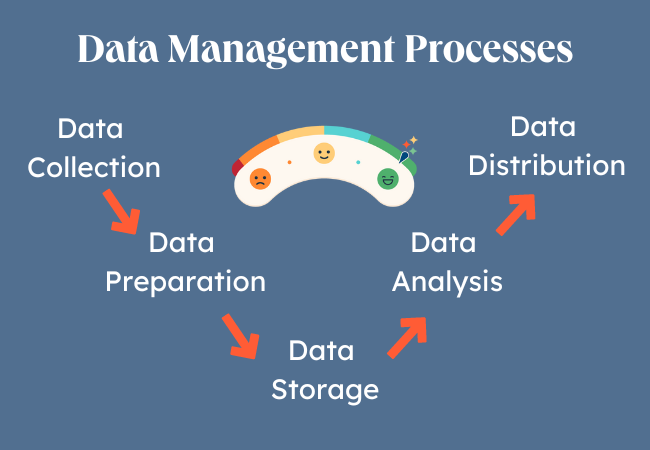
What Are the Key Principles of Effective Data Management?
Effective data management is essential for organizations aiming to harness the power of their data assets. The key principles of effective data management include data governance, data quality, and data lifecycle management. Data governance ensures that data is properly managed and maintained according to established policies and standards, promoting accountability and compliance. Additionally, data quality emphasizes the need for accurate, consistent, and timely data, which is crucial for making informed business decisions.
Another vital principle is data security, which protects sensitive information from unauthorized access and breaches. Implementing robust access controls and encryption methods is necessary to ensure the integrity and confidentiality of the data. Lastly, organizations should focus on data integration, which allows for seamless data sharing across platforms and systems, thereby enhancing overall efficiency and collaboration. Adhering to these principles will lead to increased reliability, compliance, and performance of data management strategies.
Counter-Strike is a popular tactical first-person shooter game that emphasizes teamwork and strategy. Players can choose to join either the terrorist or counter-terrorist side, with the objective of completing various missions. For Mac users looking to enhance their gaming setup, check out the Top 10 mac accessories for creators to improve performance and overall experience.
5 Common Data Management Challenges and How to Overcome Them
In today's data-driven world, data management is crucial for businesses looking to harness the full potential of their information. However, many organizations face common challenges that hinder effective data management. Here are five of these challenges:
- Data Quality Issues
- Inadequate Data Governance
- Data Silos
- Compliance and Security Concerns
- Lack of Skilled Personnel
To overcome these challenges, organizations must implement targeted strategies. For instance, to tackle data quality issues, regular audits and automated tools can be utilized to ensure accuracy and consistency of data. Establishing a strong data governance framework is also essential; this includes defining roles and responsibilities for data stewardship. Additionally, promoting collaboration across departments can break down data silos, allowing for a more unified approach to data. Compliance can be enhanced through thorough training and robust security protocols. Finally, investing in training programs or hiring skilled personnel will help organizations meet their data management goals.
The Role of Data Governance in Transforming Chaos into Clarity
Data governance plays a pivotal role in transforming organizational chaos into clarity by establishing a structured framework for managing data assets. By defining policies, procedures, and standards, data governance ensures that data is accurate, accessible, and secure. This structured approach not only minimizes data-related risks but also enhances decision-making processes. Organizations can leverage clean, reliable data to drive strategic initiatives, gain insights, and maintain regulatory compliance. Furthermore, robust data governance fosters a culture of responsibility, where data stewards and stakeholders understand their roles in managing and utilizing data effectively.
In addition, data governance facilitates improved collaboration among various departments within an organization. With clearly defined roles and responsibilities, teams can work together more efficiently, accessing the same data sets without ambiguity. This collaborative effort leads to a more cohesive strategy, aligning various business objectives with data-driven insights. Moreover, as organizations strive for digital transformation, an effective data governance program becomes essential in navigating complexities and ensuring that every stakeholder is on the same page. By transforming chaos into clarity, data governance not only enhances productivity but also positions organizations to innovate and adapt in an ever-changing landscape.